
Ever held a credit card that stores your entire crypto fortune? Yeah, sounds nuts, right? But seriously, the idea of a hardware wallet as slim as your wallet’s usual plastic is kind of blowing my mind. Traditional cold storage? It’s bulky, fiddly, and honestly, a pain for everyday users. You want security and convenience—usually you get one at the expense of the other.
Here’s the thing. I’ve been deep in crypto for a while, and cold storage has always meant those little USB dongles or seed phrases scribbled on paper (which, by the way, is a disaster waiting to happen). But now, NFC-enabled hardware wallets like tangem have popped up, offering a slick, card-shaped solution. Instant curiosity.
My first impression? Wow, this could actually simplify secure crypto storage. But wait—are we sacrificing security for convenience here? That’s the kind of question that makes my brain itch. On one hand, hardware wallets isolate your keys offline, the gold standard for security. On the other, NFC means wireless communication, which introduces new attack surfaces. Hmm… really makes you wonder about the trade-offs.
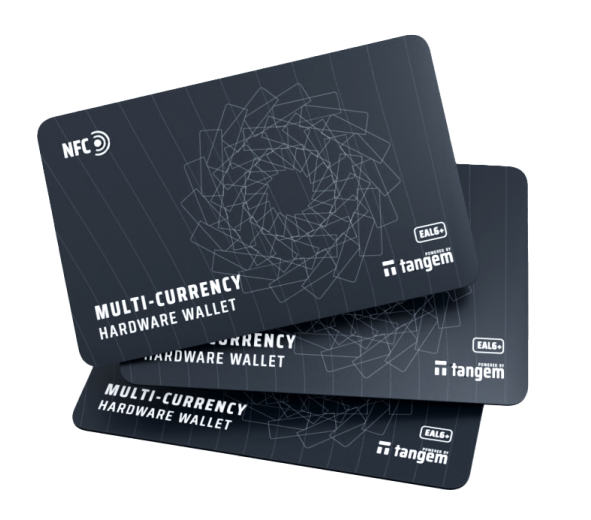
Interestingly, tangem’s approach is kind of elegant. Instead of relying on a complicated interface, it uses a smart card embedded with secure elements, which you tap to your phone. No cables, no apps to install—a far cry from the usual hardware wallet experience. Initially, I thought this was just a gimmick, but the more I read, the more it seemed like a practical evolution.
Seriously? A hardware wallet that fits in your wallet and works like your credit card? That’s a game-changer if it holds up.
The Cold Storage Conundrum—and How NFC Fits In
Cold storage means keeping your private keys offline, right? That’s non-negotiable if you want to dodge hacks. But the classic methods—paper wallets, USB devices—are either fragile or cumbersome. Paper can get lost, damaged, or scanned by a sneaky camera. USB wallets require you to carry extra hardware and cables, which is super inconvenient.
So, what if your cold wallet was a card you could just tap? I’ll be honest: the idea sounds almost too good to be true. But tangem’s hardware wallet uses NFC and a secure chip, which means your private keys never leave the device. The card signs transactions internally, sending only the signed data to your phone, which is pretty slick.
On the tech side, NFC is low power and short-range, which adds a layer of physical security—someone would have to be really close to intercept signals. But I do worry about the possibility of relay attacks or NFC vulnerabilities. Still, from what I gather, tangem has incorporated multiple layers of security to mitigate these risks.
Something felt off about relying solely on NFC, but combining it with secure elements and tamper-proof hardware makes it way more robust than just an NFC tag.
Plus, the convenience factor is very very important. If crypto wallets are too complex, people won’t use them properly—which ironically compromises their security more than any hacker could.
Personal Experience: Carrying Crypto Like a Credit Card
Okay, so check this out—I tried using tangem for a few weeks now. At first, I was hesitant to trust my crypto with a card. But tapping it to my phone to check balances or sign transactions felt surprisingly natural. No cables, no awkward USB ports, no fumbling around.
My instinct said this was a real step forward for user experience in crypto. I’m biased, but the simplicity is refreshing. And for everyday crypto holders who don’t want to dive into technical manuals, this could be a perfect fit.
That said, I’m not 100% sure it’s bulletproof. For high net worth holders, maybe a multi-sig setup with traditional hardware wallets still makes sense. But for average users, tangem’s approach blends security with ease in a way that’s rare.
What bugs me about some other wallets is the over-engineering. Too many buttons, confusing screens, or reliance on apps that get discontinued. Tangem cuts through that noise.
Also, the fact that it’s just a card means you can put it in your normal wallet, or even hide it somewhere safe without drawing attention. (Oh, and by the way, it’s waterproof and tamper-evident—nice bonus for peace of mind.)
Security Trade-offs and Real-World Risks
Seriously though, no security device is perfect. Tangem relies on a secure chip that handles key storage and signing. The private keys never leave the card, which is critical. But since it’s NFC, I started thinking about what happens if someone tries to skim it.
On one hand, NFC’s limited range reduces remote attacks. But on the other, if you lose the card or someone gets physical access, they could potentially try to brute force PINs or use side-channel attacks. That said, tangem implements PIN protection and hardware tampering detection, which ups the ante.
Initially, I thought, “Why not just use a standard hardware wallet?” But then I realized for many, the simplicity can actually increase security in practice. People are way less likely to mismanage a single card than a complex device with multiple steps.
Still, I’d recommend using tangem alongside good personal security habits—like keeping backups, using strong PINs, and not sharing your card. And for really big holdings, maybe combine it with other wallets or cold storage methods.
Here’s a little paradox: the more convenient your hardware wallet is, the more you might actually use it correctly—which ironically could make it safer overall, despite theoretical risks.
Why NFC Wallets Might Be the Future
Crypto is moving fast. We’ve seen software wallets evolve, multisig setups become common, and now hardware wallets are slimming down and getting smarter. NFC tech in wallets like tangem is a natural step toward making crypto ownership feel like everyday life.
Imagine handing a crypto card to a friend or family member, or using it at a physical point of sale. It’s not sci-fi anymore. The barriers between crypto and real-world usability are dissolving.
Initially, I thought this would complicate security, but the more I look, the more it seems like a smart balance. Tangem’s design philosophy—minimal user friction, maximum security in a tiny form factor—could be exactly what crypto needs to go mainstream.
Still, there are open questions. How will recovery work if you lose the card? What happens if NFC standards change? And what about interoperability with different blockchains? The ecosystem is still figuring it out.
But for anyone curious about cold storage that fits in your wallet and taps your phone—definitely worth checking out tangem. It’s not perfect, but it’s a fresh take that’s already shaking up the game.
Frequently Asked Questions
Is NFC safe enough for cold storage?
NFC has a limited range, which adds physical security, but it’s not foolproof. Tangem combines NFC with secure chips and PIN protection to mitigate risks, making it much safer than a basic NFC tag.
What happens if I lose my tangem card?
You should have a recovery seed or backup plan stored securely offline. Losing the card means losing access unless you have these backups—just like any hardware wallet.
Can I use tangem with multiple cryptocurrencies?
Tangem supports various blockchains, but compatibility might vary. Always check the supported coins before relying on it as your primary wallet.